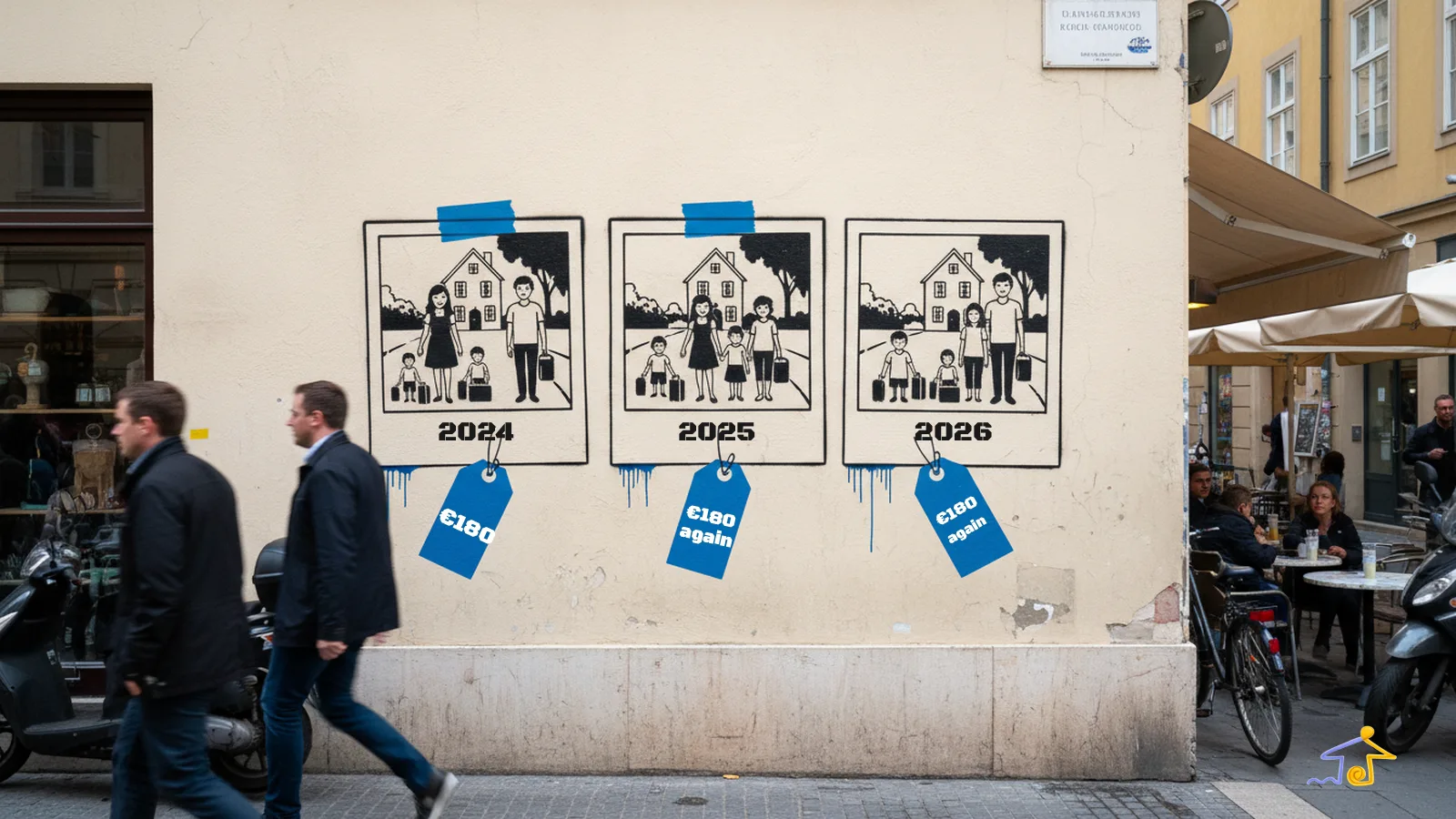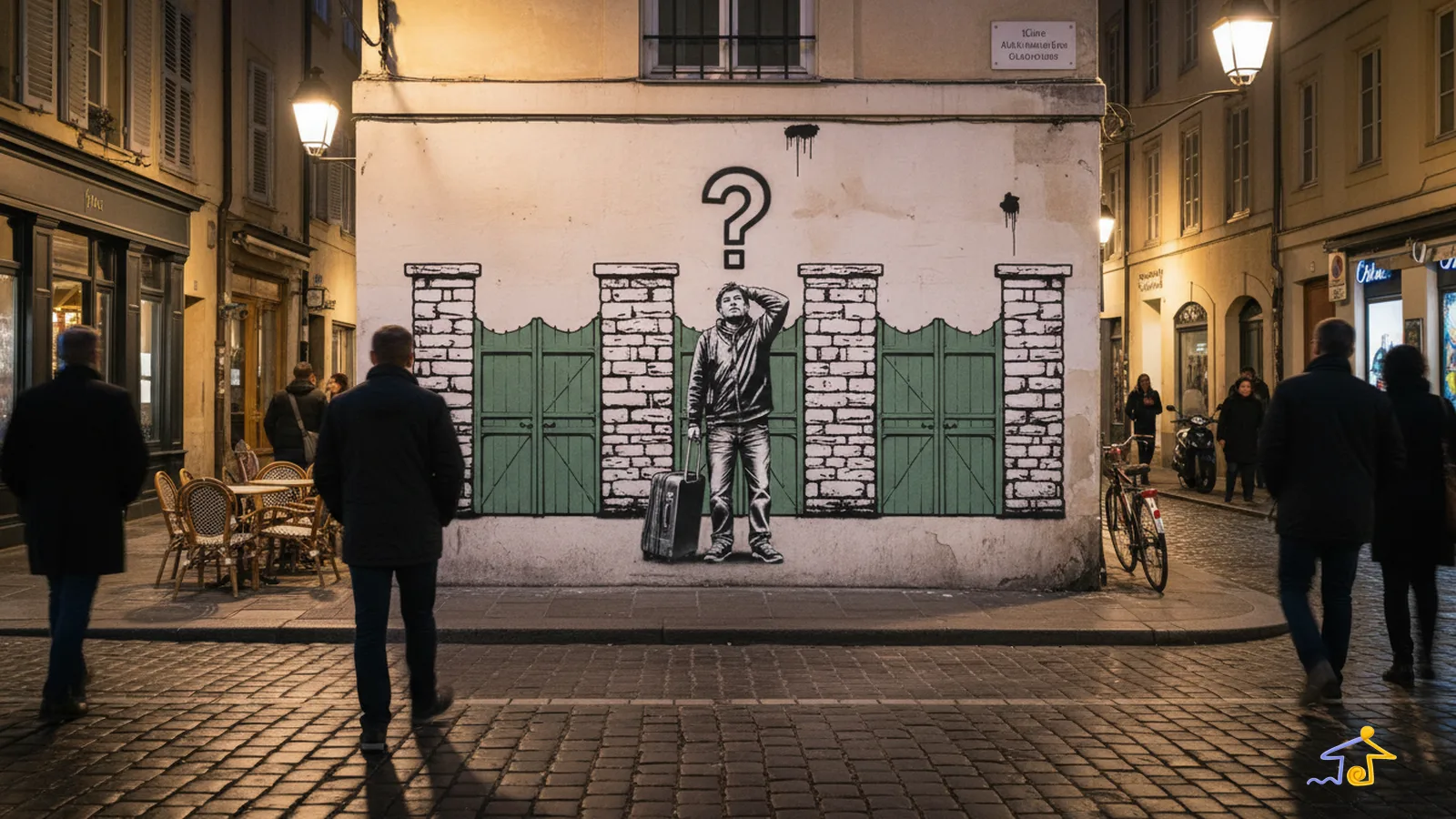
On 31 March, Chiara does the maths at the kitchen table. Her grandmother’s house is ready: white walls, new sheets, a keypad lock that opens from her phone. In one month she has spent €2,300. Bookings: zero.
Her husband walks past, looks at the sheet of paper and asks the question nobody wants to hear: “So when does it start paying?”
Chiara doesn’t answer. She’s thinking of the cousin who told her “just put the listing up and see, houses rent themselves.”
They don’t rent themselves. But that €2,300 isn’t a hole. It’s the foundation: you can’t see it, and without it nothing stands.
Why does the first month feel like a hole?
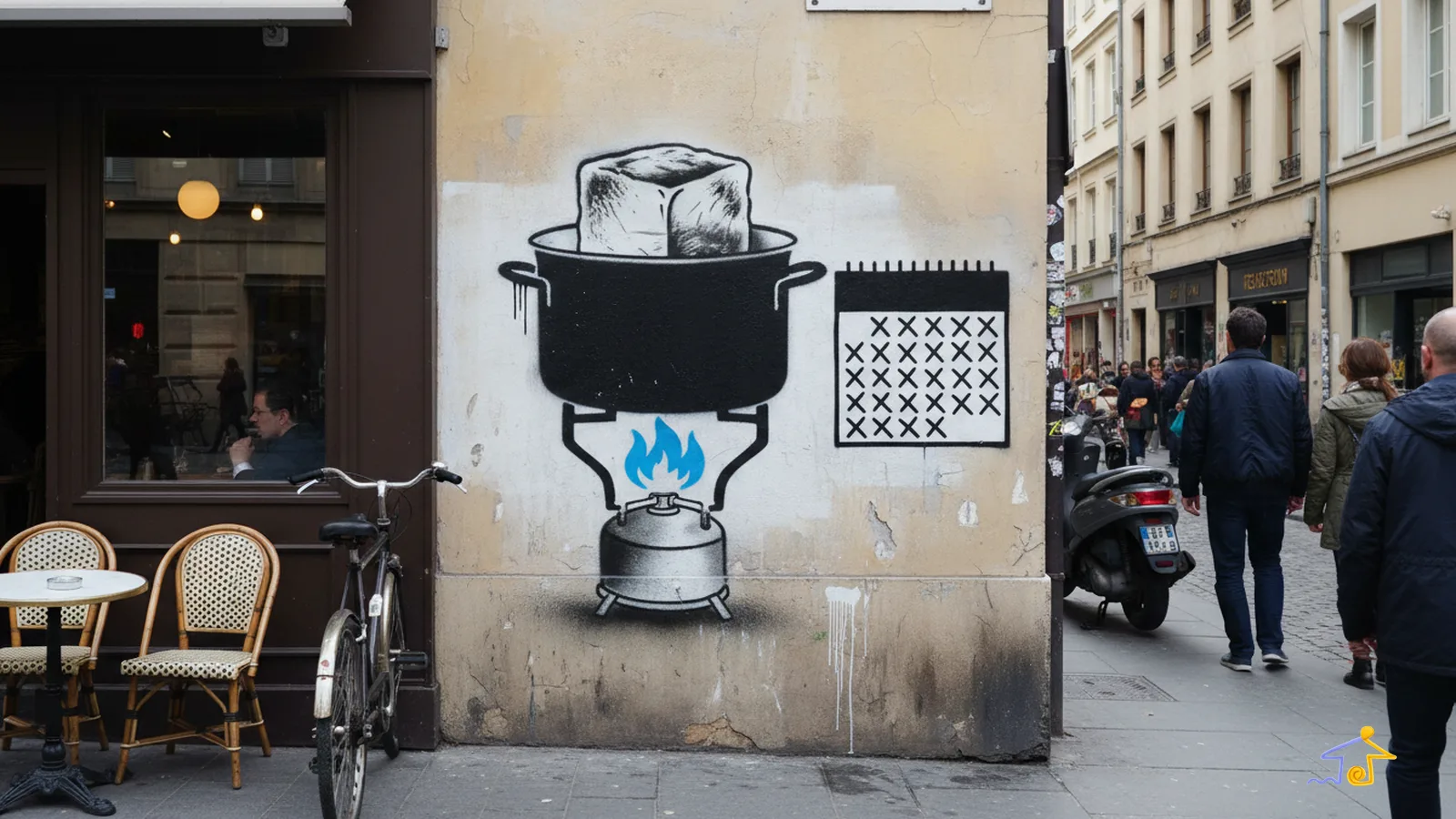
Put a pan of ice on the stove and drop in a thermometer. The flame is on, you’re paying for the gas, and yet the thermometer stays stuck at zero. For quite a few minutes. It looks like nothing is happening.
In fact a lot is happening: all that energy is going into melting the ice. Only once it has turned to water does the temperature start to rise, and from there it rises fast.
The first month of a holiday rental is the ice in the pan. You spend, you work, you make phone calls, and the bank balance doesn’t move. The problem isn’t the stuck thermometer: it’s turning off the flame right now, or throwing on random firewood thinking more wood means more heat.
Where should the first month’s money go?
There’s one rule: first the things that work every day, for years, without you having to think about them.
The paperwork. In many European countries, Italy and Greece included, your property needs a registration number shown on its listings, and since May 2026 an EU regulation asks the platforms to check it and remove listings with a number that doesn’t hold up. It’s tedious, it’s bureaucracy, but it’s the front door: without it, your listing can disappear overnight. Do it first, also because it can take weeks.
The photos. They’re your salesperson working around the clock. A beautiful house photographed badly, on a phone, at six in the evening, looks like any house. A photographer for half a day is the expense that pays for itself fastest.
The keys. A keypad lock, or a key box, frees you from having to be there for every arrival. In the first month it feels like a luxury; by the tenth guest arriving at 11 PM it’s the thing that saved your dinner.
The second set. Sheets and towels for two changes, not one. Because on the day one guest leaves at 10 and the next arrives at 3, the washing machine doesn’t do miracles.
The small things that end up in reviews. Wi-Fi that reaches the bedroom too, curtains that really make it dark, a hairdryer, two pillows per bed, a knife that cuts. They cost little, and they are exactly what guests write about, for better or worse.
And what can wait?
Everything that’s nice but not essential for the first guest. The smart thermostat, the sensors, the new sofa, the software with forty features you’ll use in two years, the cushions that match the curtains.
They’re not useless: some of them will genuinely save you money. But you buy them later, with the money from your first bookings and with what your guests will have told you. Buying them now is throwing wood on the fire while the ice is still melting.
The first month’s sum
Here’s how Chiara’s €2,300 might have gone, and what she left for later.
Spent straight away (they work for years):
- property registration and paperwork: €150
- short-term rental insurance: €250
- professional photos: €350
- keypad lock: €250
- linen, two full changes: €600
- kitchen and welcome kit (plates, coffee, salt and oil, spare toilet paper): €300
- small jobs (Wi-Fi extender, blackout curtains, hairdryer, pillows): €400
Total: €2,300.
Postponed until after the first 10 bookings: smart thermostat (€200), new sofa (€900), paid management software (for a single house, the platforms’ own calendar is enough at the start).
The question to ask before every purchase: “If I don’t buy it, will the first guest notice?” If the answer is no, it can wait.
And the price, in the first month?
This is where the most common mistake happens. The calendar has been empty for three weeks, anxiety kicks in, and the price drops from €90 to €45 a night. The bookings come, yes. But they come from guests looking for the cheapest thing around, not for your house, and they’re the ones who write the first review.
There are two good paths, and you choose before you open, not in a panic.
Hold your ground. Set the right price and wait. It works if you can afford a few empty weeks and the house has something that shows straight away in the photos (the view, the garden, the location).
The launch discount. A small discount, 10–15%, not 50, stated openly and with an end: “for the first five bookings” or “until 30 April”. It’s there to earn your first reviews, which are what most makes people choose a new house. When the discount ends, the price goes back up, and nobody complains because it was written down.
What doesn’t work is the third path, the one in the middle: lowering the price a little every week, with no plan, until you find yourself at €45 without knowing how you got there.
Three moves for your first month
1. Make the list before you buy. Two columns: “the first guest needs it” and “it can wait”. Anything that lands in the second column doesn’t get bought, for now.
2. Sleep one night in your own house. As a guest, with a suitcase. Connect to the Wi-Fi in the bedroom, turn on the shower, look for the hairdryer, try to make coffee. In one night you’ll find the things a stranger would otherwise write in a review.
3. Decide the launch price and its end date. Write them on a sheet of paper before you publish the listing. When the third empty week arrives, and it will, read the sheet instead of touching the price.
And once the house starts working, at the end of each month look at three numbers, not just one (we covered this in Beyond the Booking): what you really keep per night, how many bookings are your own, and what your hour is worth.
September
On 30 September Chiara does the maths again at the same table. Twenty-two reviews, average 4.9. None mention the hairdryer. Three mention the curtains “that finally let you sleep”.
Her husband walks past and looks at the sheet. This time he doesn’t ask anything.
The ice melted in April. She hadn’t even noticed: she was just keeping the flame on.
The first month doesn’t pay. It’s what makes the others pay.
Getting your house ready, or already in your first month with the thermometer stuck at zero? Write to us: the first consultation is free, and we’ll make the two-column list together.