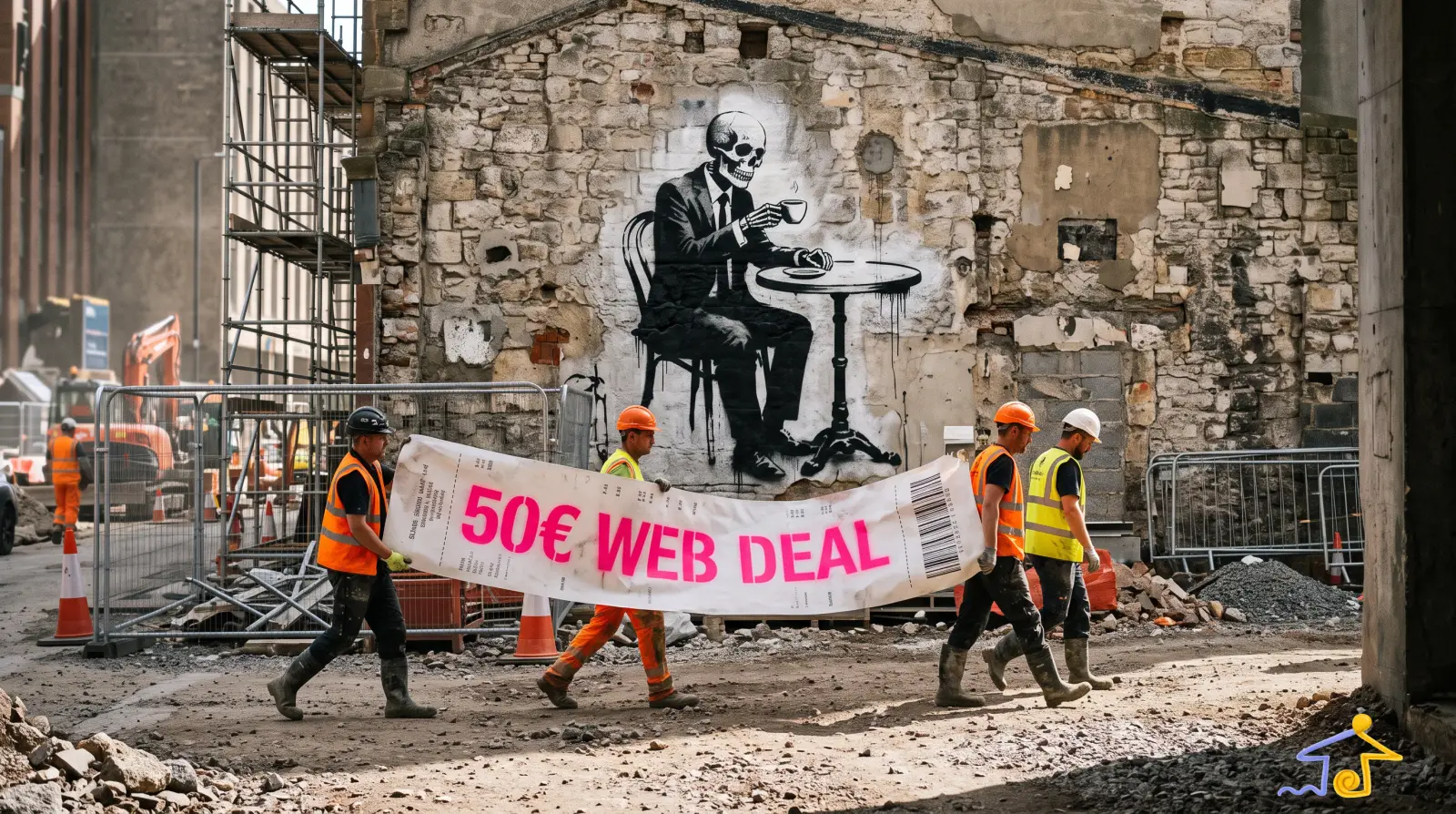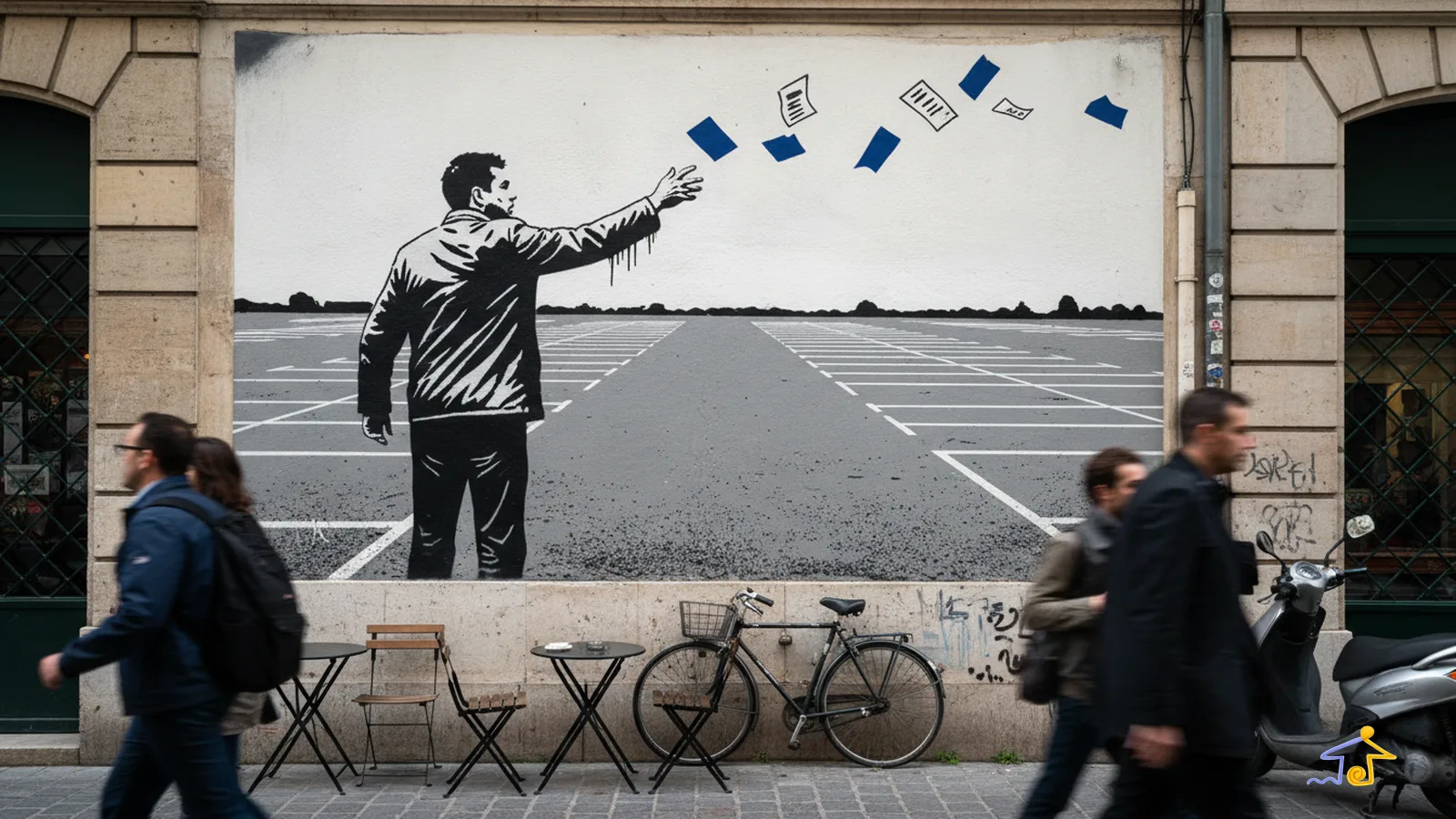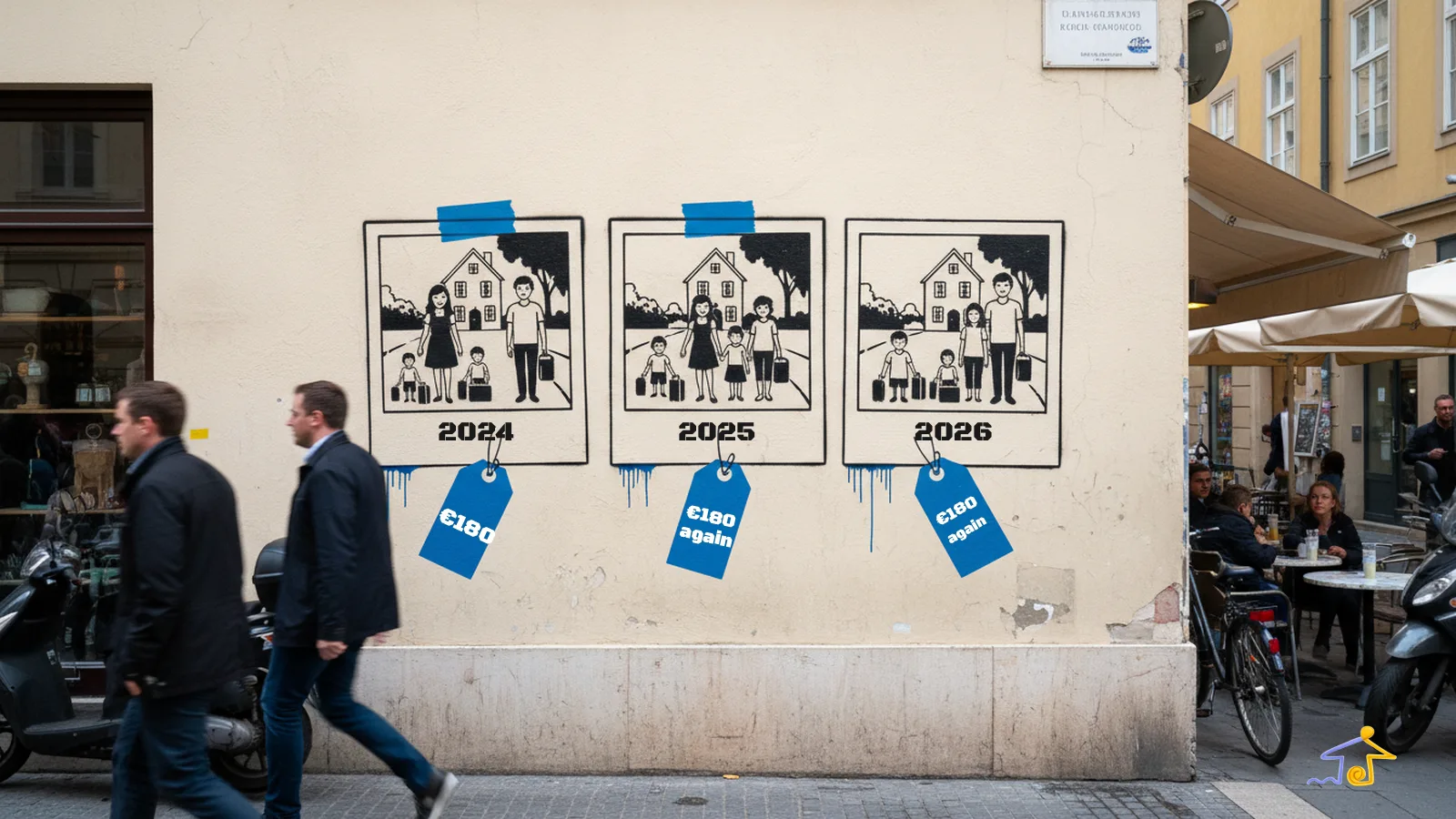
A family comes back to your holiday home three summers in a row, and every time they book through Booking. Over three years the portal collects about €540. €360 of that you paid for guests you already knew by name.
It’s not the portal’s fault: it does exactly the job you pay it for. The point is that we’re looking at the wrong number. Bookings are nice to count and tell you little. The number that tells you whether a holiday rental really stands on its own feet is another one: how many guests come back, and where they book the second time.
Hardly anyone measures it, because it doesn’t appear on any statement. Yet that’s where you find out whether the portal is working as your shop window, as it should, or also as the till for people who already know you. The first stay is brought by Booking, and it’s fair to pay for it. The second, if you’re still paying for it, you’re buying twice.
The commission on a memory
Portal dashboards show you almost everything: views, bookings, ranking, guest reviews. One figure is missing, simply because it isn’t their business: how many of those guests were already yours. To the portal, a returning guest is a booking like any other, with its commission. There’s no “returning guest” column in the portals’ extranets, and not every property management system puts it front and centre.
Let’s call it by its name: the commission on a memory. It’s the share of what you pay the portals that doesn’t bring you a new guest, but the memory of a good holiday spent with you. A memory you built yourself: the clean house, the comfortable bed, the right tip on where to have dinner. If the guest comes back through the portal, you pay for that memory again, as if it were the first meeting.
What the first meeting costs
On Booking the base commission is usually around 15%, depending on country and contract. On a €1,000 stay that’s about €150. Sometimes more gets added: the commission is also charged on cleaning and extras included in the booking (usually not on tourist tax); visibility programmes like Preferred Partner add 3 to 5 points; if you let Booking collect the payment, there’s a payment fee of between 1.1% and 3.1%. For many hosts the real cost sits between 18% and 23%.
For a guest who didn’t know you, it’s a fair price. The portal has a huge audience, reviews people trust, a payment process that scares no one. None of us, on our own, can bring a family from Munich to discover a house they’ve never seen.
There’s good news from the law, too. Since 2024 Booking has been one of the “gatekeepers” under the Digital Markets Act, the EU law on large online platforms, and the European Commission puts it plainly: in the European Economic Area, properties on Booking are free to set their own prices and conditions, on their own website too. So the room to reward guests who book direct is there, and it isn’t a trick.
The thermometer: a single number
If I had to keep an eye on a single number, it would be this one: out of 100 returning guests, how many book direct. We call it the thermometer.
It takes an afternoon to work out. Take your bookings from the last two years, mark the guests who had already stayed with you and, for each one, where they booked the second time. If 40 came back and 10 booked direct, the thermometer reads 25. There’s no single right value for everyone, and I’d be wary of anyone selling you one: what matters is that it rises, year after year.
For those who do this for a living, here’s the distinction almost no report makes: the return rate (how many come back) and the thermometer (where they come back from) measure two different things. The first measures the house and the hospitality; the second measures how you work after check-out. A house can have devoted guests and a thermometer at zero: it means the affection is there, but it still goes through someone else’s till. And if you manage other people’s homes, the thermometer is the number to take to the owner: it shows the value you create beyond filling the calendar.
The returning guest’s maths (for those who do this for a living)
A family spends €1,000 per stay and comes back three summers in a row.
Three times through the portal, at a real cost of 18%: €540 in commissions.
The first time through the portal, then twice direct: €180 to the portal, plus card fees on the two direct stays (in Europe about 1.5% plus 25 cents: around thirty euros). Total about €210.
Difference: about €330 on €3,000 of revenue, for a single guest. Take off a 5% discount for booking direct (€100 over the two summers) and you still keep about €230. Multiply by the guests who come back every year: that’s the money you’re leaving on the table today.
How to make the thermometer rise (within the portals’ rules)
First, what not to do. No links to your website in portal messages and no promotions sent to the addresses the portals pass on. Booking provides “relay” email addresses that work for the stay and stop working after check-out; Airbnb doesn’t allow taking guests off the platform, links included, and can suspend your account. The rules are clear, and they make sense: the portal brought you that guest. And you still need your listing for all the first meetings still to come.
Then the three levers, all legitimate.
1. A website where people can actually book: fast on a phone, real photos, a calendar that tells the truth. For it to tell the truth, your website and the portals have to talk to each other: that’s the job of a channel manager, the software that updates all your calendars at once and saves you from selling the same night twice.
2. Contact details asked for in person, with consent: at check-in, at check-out, with a simple question (“Shall we let you know when we open next season?”). It’s the only guest list that’s truly yours.
3. A reason to book with you that isn’t on the portal: a small discount, a later check-out, a bottle of local wine on arrival. Perks that aren’t a price cost little and don’t start a rate war with your own listings.
What to do tomorrow
Just one thing: measure your thermometer. You don’t need new software or a consultant, you need an afternoon with your bookings from the last two years. If it reads close to zero, you’ve found where the money goes. If it already reads something, you’ve found what’s working, and you can do more of it.
And a question for those who do this for a living: how many of your returning guests still come through the portal? If you already know, you’re one of the few. If you don’t, it’s the first number to look for on Monday morning.
The first stay comes from the portal. The second, if you’re still paying for it, you’re buying twice.
Want to measure your thermometer with us? Get in touch: the first chat is free and with no strings attached.