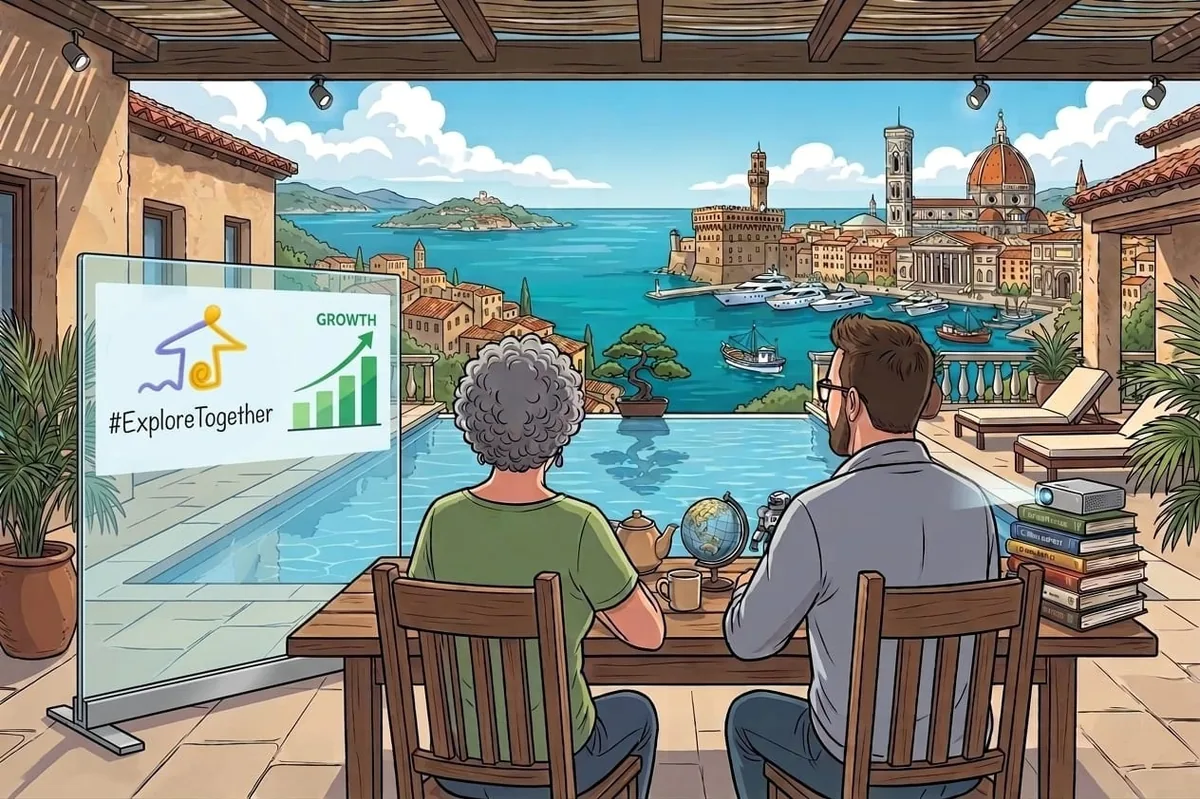
Friday, 10:30 PM. Paolo has just finished fixing up the terrace: a new pergola, string lights, two white loungers. The photo came out beautifully. He posts it, and underneath a blue button appears: “Boost post”. Fifty euros, seven days. One click, and he goes to bed happy.
On Monday the report arrives: 6,200 people reached, 214 likes, 3 comments (one of them from his aunt). Messages: zero. Bookings: zero.
“I knew it,” says Paolo. “Advertising just doesn’t work for holiday rentals.”
Actually, it worked perfectly. It bought exactly what Paolo had asked for, without him realising it: likes.
What does the blue button actually buy?
When you click “Boost post”, the platform asks you a few questions and picks the rest itself. Its job is to show your post to lots of people who are likely to tap “like”, because that is what it can measure best and fastest. More likes, nicer report. Nicer report, happier you. Happier you, another click.
But someone who likes a terrace isn’t necessarily someone looking for a terrace next summer. It could be a teenager who loves string lights, a woman who has just redone her own, Paolo’s next-door neighbour. Lovely people, all of them, and not one with dates marked on the calendar.
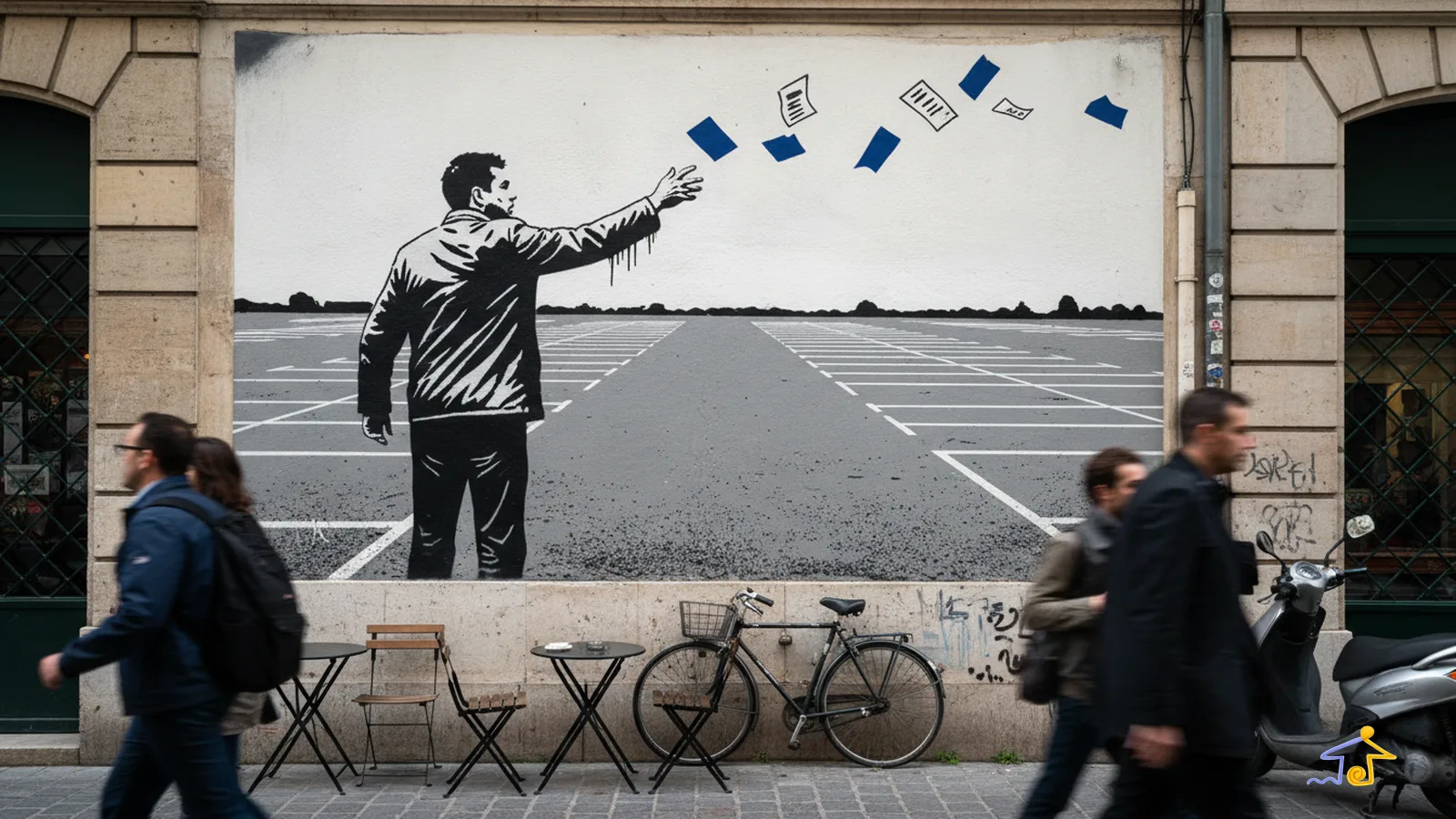
It’s like paying someone to hand out flyers in a random car park. Every flyer goes, loads of people see them. The trouble is, it’s a supermarket car park, and nobody doing their Tuesday-night shop is thinking about holidays.
The problem is the tap
There’s something else the report doesn’t tell you. When the seven days are up, everything stops. The post goes back to being seen by the people who saw it before, the 214 likes sit there like balloons the morning after the party, and Paolo is left with nothing in his hands.
It’s a garden tap: the water runs as long as you keep it open, which means as long as you keep paying. Turn it off, and the lawn dries up again.
Advertising done properly leaves something behind. Everyone who clicked and looked at your dates page goes onto a list: “people who were interested in my place”. A month later you can show up in front of them again for very little, because they already know you. It’s the difference between watering and digging a well: the well takes some effort at the start, then the water is there.
So social media ads are useless?
Far from it. What’s useless is the button left on its own settings. Facebook and Instagram have a dedicated tool, Ads Manager, that lets you make three choices the blue button makes for you, in its own way.
1. What should happen. Not “being seen”, but one specific thing: people sending you a message, or opening the page with your dates and prices. Tell the platform that, and it goes looking for people who usually do that thing, not the ones who tap “like”.
2. Who should see it. Not “everyone”, but people who can actually come: those living a few hours’ drive away, those who have already visited your website, those interested in holidays in your area. Fewer people, but the right ones. And at the right moment: a summer terrace sells in February, when people are deciding, not in July, when they’ve already booked.
3. Where people land. This brings us back to the beautiful post that doesn’t book (we covered it in The Architecture of Presence): if people click and end up on a page where they have to hunt for the calendar, you’ve paid to walk them up to a locked door. They need to land on dates, a price and an easy way to ask.
The €50 sum (do it before you spend)
Grab a sheet of paper and run this with your own numbers. Here I’m using Paolo’s.
How much do you keep, net, from an average booking? Paolo: €400 for three nights.
How many messages do you usually need to close one booking? Paolo: one in five turns into a booking.
So: to pay back €50 of advertising you need far less than one booking. But you do need at least five real messages.
Now look at Paolo’s report again: 214 likes, zero messages. The sum doesn’t add up, and not because €50 is a lot. He paid for the wrong thing.
How I’d have spent it: same €50, objective “messages”, people within three or four hours’ drive plus those who’ve already seen the website, the same terrace photo with one clear line (“free 12–19 June, 3 nights for €390”), two weeks in February. And at the end of the campaign, just one question: how many messages? Not how many likes.
How much should you spend?
There’s no right amount for everyone, and be wary of anyone who quotes you one off the top of their head. Start small, with a clear objective, and watch just one number: how much each real message cost you.
If a message costs €8 and one in five becomes a booking, each booking cost you €40. On €400 of earnings, that’s a bargain. If after two weeks you have zero messages, don’t raise the budget: change one of the three choices above. More money on the wrong road only takes you further in the wrong direction.
Three moves for next time
1. Before you click, write down in one line what you want to happen. If the honest answer is “more likes”, keep the €50 and treat yourself to dinner.
2. Run your ads from Ads Manager, not from the button. The first time takes twenty minutes; after that it becomes a habit. Objective, people, timing: three choices, and you’re the one making them.
3. Get the landing page ready before the ad. Dates, price, a button to get in touch. Test it on a friend’s phone: if they can’t get to “how much is it and when is it free” in three taps, fix that first, then spend.
February, a Tuesday evening
Paolo picks up the same terrace photo. This time he doesn’t press the blue button: he opens Ads Manager, chooses “messages”, people within four hours’ drive and those who’ve already seen the website. He writes a single line: “Free 12–19 June”. Fifty euros, two weeks.
The report is far less impressive: 1,900 people reached, 31 likes. And nine messages. Two of them turn into bookings.
His aunt didn’t comment this time. But that’s €800 of June holidays for €50 spent in February. And nine people on the list of those who’ve already asked, ready to find again next year.
Want to make your advertising budget actually pay off? Get in touch: the first consultation is free, with no commitment.